- Category
- Eye Health
- VSP Contributor, 23 Jul 2026
9 Frequently Asked Questions About Vision Health
- Share this post:
-

-


There are common questions about vision health that many of us have. Let’s look at nine of the most frequently asked questions about vision health and vision care.
Yes, there are several proactive steps you can take to reduce the risk of vision loss. Maintaining a healthy lifestyle is a key part of reducing the risk of vision loss.
Here are some of the actions you can take to reduce vision loss:
Eating a balanced diet rich in fruits and vegetables that you enjoy and keeps you satisfied.
Regular exercise can also improve blood circulation, which benefits the eyes.
Avoid smoking. as it increases the risk of developing age-related eye diseases.
Protect your eyes from UV rays by wearing sunglasses that block 100% of UV-A and UV-B rays.
Additionally, manage chronic conditions such as diabetes and hypertension, as they can impact vision health.
Regular eye exams are essential to vision health because they can detect signs of vision problems and eye diseases at an early stage when they're most treatable. Many eye conditions, such as glaucoma, diabetic retinopathy, and macular degeneration, often have no early symptoms. Early detection through regular exams can prevent or slow vision loss.
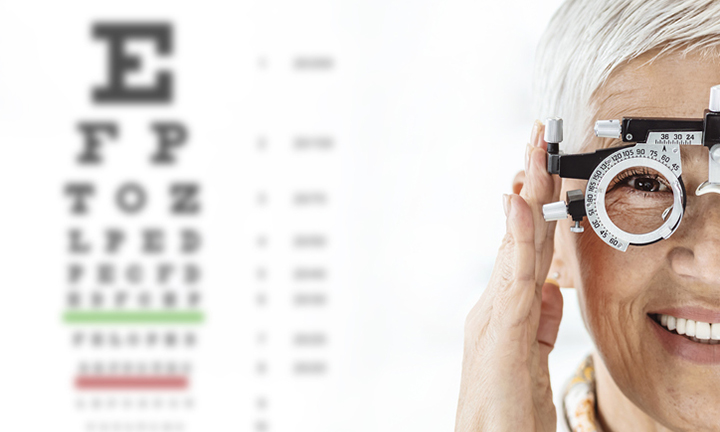
An eye exam typically involves several tests to evaluate your vision and check for eye diseases. A full-service eye exam may include some of the following vision tests:
Visual Acuity Test: Measures how well you see at various distances.
Refraction Test: Determines your prescription for eyeglasses or contact lenses.
Visual Field Test: Checks for blind spots in your peripheral vision, which can indicate eye disease or other health issues.
Tonometry: Measures the pressure inside your eyes to check for glaucoma.
Pupil Dilation: Involves using eye drops to widen your pupils, allowing the eye doctor to examine the retina and optic nerve for signs of disease.
There is no one-size-fits-all approach to vision correction. Choosing between eyeglasses and contact lenses depends on personal preference, lifestyle, and specific vision needs. Here are some of the key vision correction differences between eyeglasses and contact lenses:
Glasses:
Easier to wear and maintain
Can correct a broader range of vision problems and are customized to your exact prescription
Less likely to cause eye infections since they don't touch the eyes directly
Can offer protection from dust, debris, and harmful UV rays with the right lenses
Contact Lenses:
Provide a wider field of view since they move with your eyes
Less likely to get in the way during physical activities
Available in various types, including daily, biweekly, and monthly disposables
When deciding between eyeglasses and contact lenses, consider factors such as convenience, comfort, and your specific vision requirements. Some people use both methods of vision correction: wearing glasses at home and wearing contacts when they need the convenience and unobstructed view they provide. Most vision insurance plans offer savings including allowances for prescription eyewear, this can be a great reason to add vision insurance if you don’t already have it.
Several conditions can cause vision loss and impairment in individuals 40 and older; here are some of the most common causes:
Presbyopia: A natural part of aging where the eye's lens becomes less flexible, making it difficult to focus on close objects. Presbyopia is common and typically managed with reading glasses or adding near-vision capabilities to your existing glasses prescription.
Cataracts: Clouding of the eye's lens, leading to blurry vision.
Glaucoma: Increased pressure in the eye that damages the optic nerve.
Age-Related Macular Degeneration (AMD): Deterioration of the central part of the retina, affecting central vision.
Diabetic Retinopathy: Damage to the blood vessels in the retina caused by diabetes.
No matter what your age, taking care of your vision health matters. Understanding the more common reasons for vision loss can help you make choices that support your eyesight.
Selecting the right eye care professional can be confusing. Here’s a breakdown of the differences between ophthalmologists, optometrists, and opticians.
Ophthalmologist:
A medical doctor specializing in eye or subspecializing in certain parts of the eye
Performs eye exams, diagnoses and treats eye diseases, prescribes medications, and performs eye surgery
Optometrist:
Doctors of Optometry are primary health care professionals who are the frontline of eye and vision care
Examines, diagnoses, and treats diseases and disorders related to the eye
Prescribes corrective lenses and medications for certain eye conditions, as well as performs certain surgical procedures
Optician:
A technician who designs, fits, and dispenses corrective lenses based on the prescriptions provided by ophthalmologists and optometrists
Does not perform eye exams or treat eye diseases
Knowing the expertise of each eye care professional empowers you to make informed decisions about your vision health.
UV rays are a type of electromagnetic radiation from the sun. Prolonged exposure to UV rays can damage various parts of the eye, leading to conditions such as:
Cataracts: UV radiation increases the risk of cataract formation.
Macular Degeneration: UV rays can contribute to the deterioration of the central retina.
Photokeratitis: A painful, temporary condition similar to a sunburn on the cornea.
Pinguecula: A deterioration of the conjuntiva, or white part of the eye.
To protect your eyes from UV rays, wear sunglasses that block 100% of UV-A and UV-B rays and consider wearing a wide-brimmed hat for additional protection.
Diabetes: Can lead to diabetic retinopathy, cataracts, and glaucoma.
Hypertension (High Blood Pressure): Can cause damage to the blood vessels in the retina.
Thyroid Disorders: Can cause eye problems like dry eyes, double vision, and bulging eyes.
Managing these health conditions effectively with the help of health care professionals can protect your vision.
Regular eye exams, a healthy lifestyle, and proper eye protection can significantly reduce the risk of vision problems. Having vision insurance can make your corrective eyewear and regular eye exams simple and cost-effective. When researching your vision insurance plan, make sure they offer a large network of providers in your area, and compare the benefits you’ll have access to. These may include an allowance for glasses or contacts, low-cost eye exams, and more. VSP Individual Vision Plans make it simple to find an eye doctor near you.
Sponsored by VSP. Information received through VSP Individual Vision Plans channels is for informational purposes only and does not constitute medical advice, medical recommendations, diagnosis, or treatment. Always seek the advice of your eye doctor, physician, or other qualified health provider with any questions you may have regarding a medical condition.

Michelle Cooper, OD, has been in solo private practice in Greenville, SC for over 30 years. She focuses on comprehensive eye care including managing ocular diseases, treating dry eye, fitting contact lenses, and helping patients with personalized solutions to their eye and vision issues.
In addition to full-time clinical practice, Dr. Cooper is a VSP Vision Care Provider and a VSP Vision Ambassador where she works with other doctors to improve access to eye care and raise awareness of the importance of eye health. Her passion is treating each of her patients as a unique individual and maintaining a warm and family-oriented atmosphere in her clinic.
Continue Reading
How long has it been since your last eye exam? Here are 7 signs that you should get an eye exam soon.

Learn the difference between vision discount plans and vision insurance. Find the right vision plan fit for your needs!

Are lens upgrades worth it? Read on to understand what lens upgrades do to help guide you in making a decision.
Your vision.
Your way.
Not covered for vision?
Get an individual plan, customized for you – including where you want to use it: at the doctor, in a retail location, or even online.
Healthy vision association discounts
Some plans can only be accessed through membership in the Healthy Vision Association (HVA), which helps its members see well and stay healthy.
For $1.50/mo, your membership will give you access to exclusive discount programs* on everyday goods and services including:
Plus, your membership supports vision-related charities too.
Click to download full details
*All rebates and special offers are subject to change